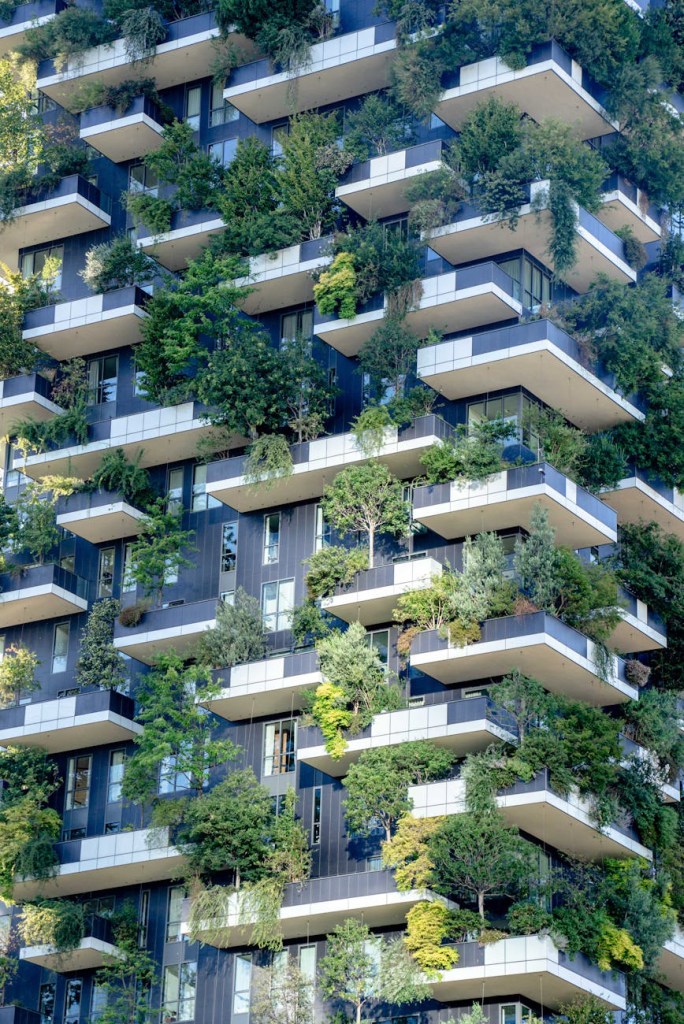
With the growing emphasis on sustainability, many landlords are considering green building practices. However, the question remains: Are these practices financially viable for small landlords? This blog post explores which green practices are economically feasible, highlights real-world successes and failures, and concludes with key takeaways for landlords looking to enhance their property value through sustainability.
Green Practices That Work for Small Landlords
1. Energy Efficiency Upgrades
- LED Lighting: An affordable upgrade offering significant energy savings and longer lifespan compared to traditional lighting.
- Smart Thermostats: Reduce energy usage by automatically adjusting heating and cooling based on occupancy and preferences.
- Insulation Improvements: Proper insulation in walls and attics can greatly reduce heating and cooling costs.
Example: A small apartment complex in Boston replaced all lighting with LEDs and installed smart thermostats. The result was a 30% reduction in energy bills within the first year, leading to higher tenant satisfaction and reduced turnover rates.
2. Water Conservation Techniques
- Low-Flow Fixtures: Installing low-flow faucets, showerheads, and toilets can conserve water and reduce utility bills.
- Rainwater Harvesting: Collecting rainwater for irrigation can decrease water usage for landscaping.
Example: A duplex in Seattle installed low-flow fixtures, achieving a noticeable reduction in water bills and promoting a green image that attracted environmentally-conscious tenants.
Green Practices Not Yet Financially Feasible
1. Solar Panel Installation
- While solar panels promise long-term savings and environmental benefits, the upfront costs can be prohibitive for small landlords without subsidies or incentives.
Example: A small landlord in Arizona installed solar panels but faced financial strain due to the high initial investment. The expected payback period extended beyond a decade, making it a challenging endeavor without additional financial support.
2. Geothermal Heating and Cooling Systems
- These systems offer energy savings but require significant upfront investment and are often not practical for properties lacking sufficient land space.
Example: A property owner in Illinois attempted a geothermal installation but abandoned the project due to excessive costs and logistical challenges.
Key Takeaways for Landlords
- Start Small and Scale: Begin with cost-effective upgrades like LED lighting and low-flow fixtures. These can lead to immediate savings and create momentum for larger projects.
- Research Incentives: Explore local, state, and federal incentives or rebates that may offset the cost of green upgrades.
- Tenant Engagement: Involve tenants in sustainability efforts, as this can enhance community feeling and attract tenants who value eco-friendly living.
- Long-Term Perspective: Consider the long-term benefits of green investments, such as increased property value, lower operational costs, and a competitive edge in the rental market.
By focusing on viable, sustainable practices, landlords can enhance their property value and contribute to environmental conservation. As technology advances and costs decrease, more green building practices may become accessible, further promoting sustainability in real estate.
 Orange County Property Management bLOG
Leave a comment